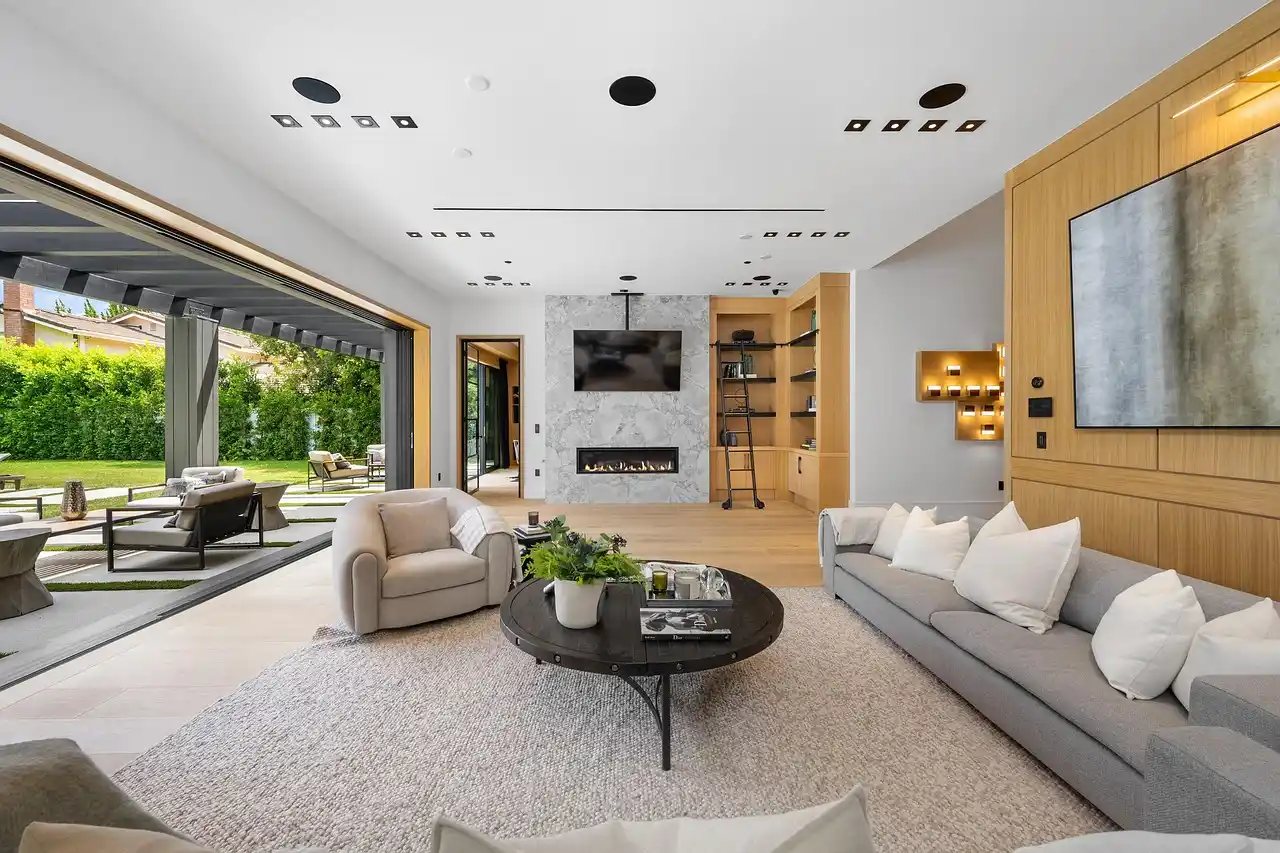
Understanding Home Window Tinting
Home window tinting uses thin films applied to glass to reduce heat glare and UV exposure while preserving natural light. As a seasoned professional I present practical guidance to help homeowners make informed decisions.
What is home window tinting
Residential window film is a polymer layer applied to interior glass that blocks infrared heat limits glare and reduces ultraviolet radiation. Films vary in appearance from clear to dark and in performance from basic solar control to advanced heat rejection.
Key benefits
Energy savings occur when heat is kept out in summer and retained in winter, lowering cooling and heating loads. UV protection helps prevent fading of furniture and carpets. Privacy can be improved without heavy blinds, and safety films can hold shards in case of breakage. High quality films also reduce glare while preserving exterior visibility during the day.
Choosing the right film
When selecting a residential film consider visible light transmission VLT heat rejection infrared rejection index and warranty. Higher VLT means more natural light while strong heat rejection helps with comfort and energy bills. The best modern films balance performance with light transmission and stay within local glazing laws.
Installation options
Most homeowners choose professional installation for a clean even finish and reliable warranties. DIY kits exist but require careful surface preparation and skill to avoid bubbles and edge lift. Professionals bring tools and testing to ensure uniform film and adhesion to safety requirements.
Cost considerations
Costs depend on film type window size and local market. Typical residential film prices range from a few dollars per square foot for basic dyed films to over ten dollars for high end ceramic or LT films. Expect additional costs for diagnostic measurements window prep and warranty options when budgeting.
How to select a reputable installer
Look for licenses insurance and references. Ask for before and after photos and warranty documentation. Confirm the installer uses IWFA certified films or comparable standards and offers a workmanship warranty. Reading local customer reviews and requesting a written estimate helps establish trust and EEAT credibility.
| Film Type | Key Benefits | Drawbacks | Ideal Windows | Typical Cost Range |
|---|---|---|---|---|
| Dyed | Strong color curb glare and lower cost | Fades over time and less IR rejection | Living rooms with medium sun | 3 to 6 per sq ft |
| Metalized | Good heat rejection and durability | Potential interference with signals | South facing windows | 5 to 9 per sq ft |
| Ceramic | Excellent heat control minimal tint | Higher cost | Premium comfort and visibility | 8 to 15 per sq ft |
| Hybrid | Balanced heat rejection and color | Moderate cost | General purpose homes | 6 to 12 per sq ft |
Maintenance and warranties
Follow manufacturers care instructions keeping glass clean with mild cleaners and soft cloths. Most films come with a manufacturer and workmanship warranty that covers peeling bubbling or edge lift for several years depending on the product.
Summary: Home window tinting offers comfort energy efficiency and protection when paired with a reputable installer and the right film for your climate and windows.