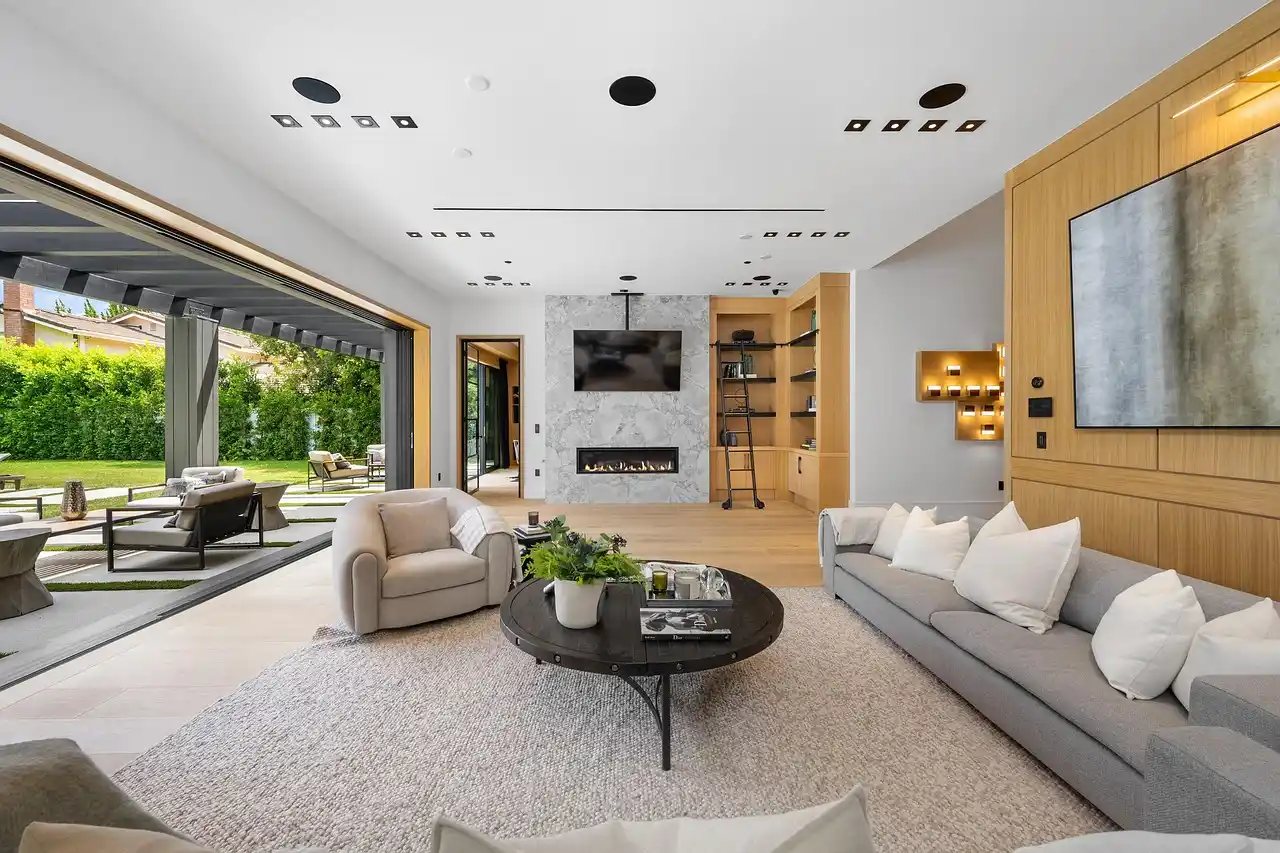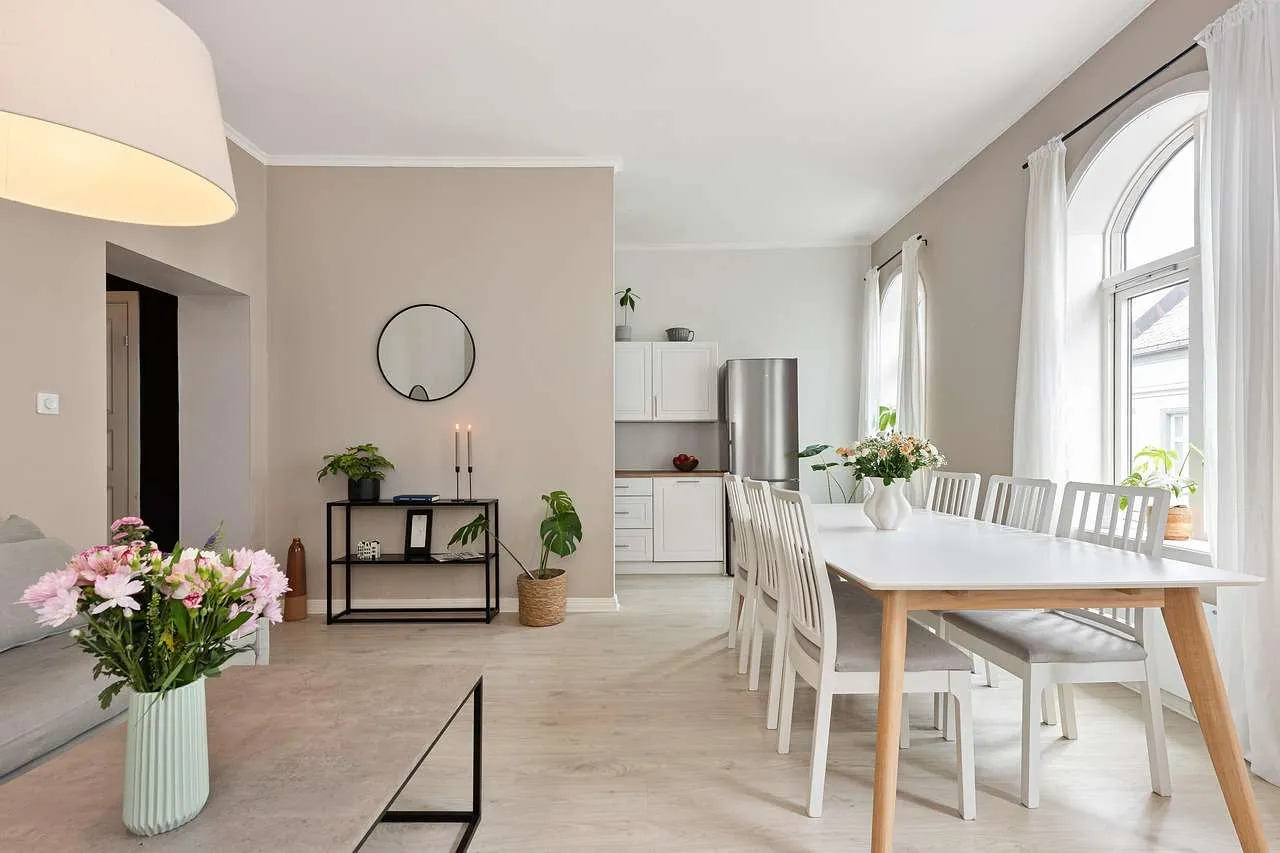
Finding a reliable home window tinting near me provider can seem daunting, but with a clear plan you can compare options, understand film types, and choose a service that adds comfort, protection, and energy efficiency to your home.
Why local home window tinting matters
Locating a nearby tinting professional ensures faster scheduling, easier consultations, and the ability to review local references. A nearby installer is more likely to understand your climate, regional regulations, and the best products for your area.
Key benefits of residential window tinting
UV protection and glare control
Quality window films block most of the sun's ultraviolet rays, protecting furniture, flooring, and artwork from fading while reducing glare that disrupts TV and computer use.
Energy efficiency and comfort
Tinted windows help keep interiors cooler in summer and warmer in winter by reducing heat transfer. This can lessen load on HVAC systems and lower energy bills over time.
Types of window films for homes
Residential window films come in several formulations. Each type has trade offs in cost, appearance, and performance.
- Dyed film
- Metalized film
- Ceramic film
- Hybrid and dual pane compatible films
Durability and appearance
Ceramic films offer high clarity and durable performance with minimal interference to electronics and signals, while dyed and metalized films may alter appearance or affect reception.
How to find home window tinting near me
To locate a trusted local provider, use a combination of search, reviews, and referrals.
- Search for local specialists using the core keyword phrase home window tinting near me and compare several options.
- Check licenses, insurance, and manufacturer certifications to verify authority and quality.
- Review portfolios and customer testimonials to gauge workmanship and reliability.
- Request on site consultations and written estimates that detail film type, warranty, and installation steps.
- Ask about warranty terms and service duration.
What to expect during the installation
Professional installation usually takes a few hours per room, with interior dry times. Technicians will prepare surfaces, apply film, trim edges, and perform final inspection. Most jobs require a post installation cure and guidance on cleaning after the film is applied.
Costs and return on investment
Costs vary by film type, window size, and number of panes. A typical residential project might range from a few hundred to a few thousand dollars, with potential savings on cooling costs over time and improved comfort. Choosing the right provider and film type can maximize ROI through energy savings, furniture protection, and enhanced privacy.
Comparison of window film types
| Film Type | UV Blocking | Heat Reduction | Clarity | Durability | Typical Cost |
|---|---|---|---|---|---|
| Dyed film | High | Moderate | Good | Moderate | Low to Moderate |
| Metalized film | Very High | High | Moderate | High | Moderate to High |
| Ceramic film | Very High | Very High | Excellent | High | High |
| Hybrid film | High | High | Good | Moderate to High | Moderate |
Conclusion
Summary, selecting the right home window tinting near me partner blends local expertise with quality products and a clear installation plan. By comparing quotes, confirming warranties, and understanding film types, homeowners can boost comfort, protect interiors, and gain energy savings.